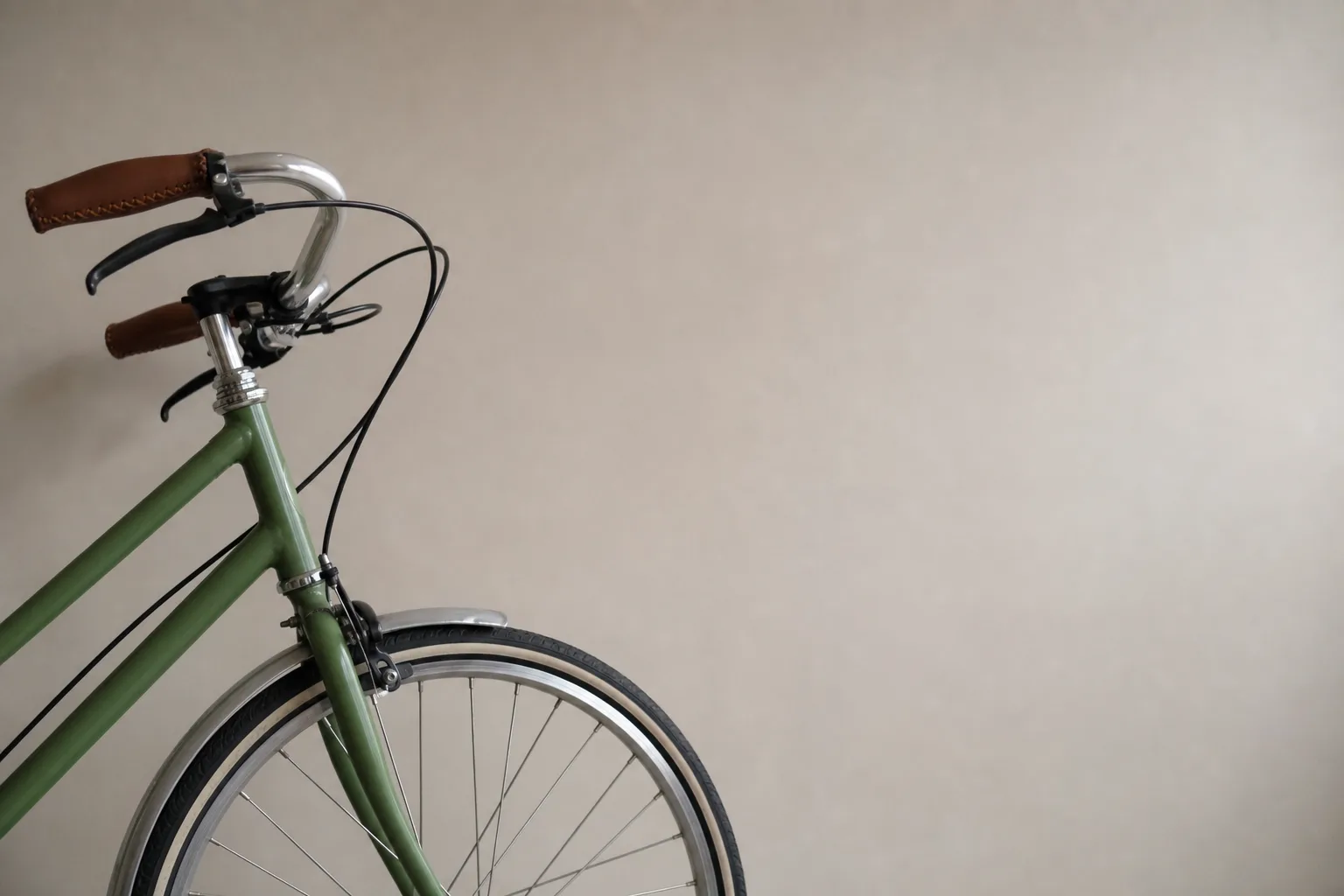
Discomfort on a bicycle is information, and most riders throw it away by treating every ache as the same problem and buying a gel seat cover. The body reports pressure fairly precisely. Hands, seat bones and lower back are three separate complaints with three separate causes, and the fix for one will often make another worse if you guess. So the useful habit is to notice where the ache started, how far in it started, and whether it faded when you shifted position. That last detail matters more than almost anything else you can observe.
Ride long enough to get an honest answer
A ten-minute spin around the block tells you nothing except whether something is catastrophically wrong. Padding, adrenaline and novelty mask real pressure problems for the first couple of miles, and a saddle that feels wonderful in a parking lot can be unbearable at the forty-minute mark. Give any change a ride of at least forty-five minutes on the kind of surface you actually use, ideally twice, because the first ride on a new setup includes the body arguing with an unfamiliar position. Change one thing at a time. Two changes at once produce a result you cannot read.
Numb hands mean weight is landing on them
Tingling in the outer two fingers, or a dull ache across the heel of the palm, almost always means too much upper body weight is being carried through the bars rather than through the saddle and pedals. On an upright bike that is usually a reach problem: the bars are too far forward or too low, so the torso leans rather than stacks. Raising the stem, or fitting a shorter one, moves weight back onto the seat bones where it belongs. Bar rotation matters too, since a swept-back bar rolled too far down forces the wrist into extension and pinches the nerve.
Check grip shape before you buy anything else. A round grip concentrates pressure on a narrow strip of palm, while a grip with a wider platform under the heel of the hand spreads it. Both changes are cheap, and both are reversible, which makes them the right place to start. If numbness clears within a minute of sitting up and shaking out a hand, the cause is mechanical rather than medical, and the setup is what needs fixing.
Seat bone soreness is a width question, not a padding question
Soreness on the two bony points you can feel when you sit on a hard chair means the saddle is not supporting them. Either it is too narrow and they hang off the edges, or it is so wide and soft that they sink through the padding and land on the shell. Measure the spacing rather than guessing: sit on a piece of corrugated cardboard laid over carpet, lean forward slightly, stand up and measure center to center between the two dents. Add roughly an inch and a half to two inches for an upright riding position, and shop for saddles in that width.
Soft foam is not a substitute for correct width. It compresses, spreads sideways and puts pressure on soft tissue that has no business bearing weight. A firmer saddle sized to your measurement will nearly always beat a plush one that is an inch too narrow, and the difference shows up around mile eight.
Lower back pain is reach or saddle tilt
An ache low in the back, arriving late in a ride and easing when you stand on the pedals, usually comes from one of two setup faults. The first is reach: bars too far away pull the pelvis into a rotation the lumbar spine has to absorb. The second is a saddle nose tipped down, which quietly slides you forward all ride, so you brace with your arms and lower back to stay put. Set the saddle level with a spirit level laid along its length, then adjust in very small steps, a degree or two at a time.
Working through it in order
Fix saddle height first, then saddle tilt, then fore and aft position, then reach and bar height, because each one changes the ones after it. The Consumer Product Safety Commission oversees safety standards for bicycles sold in the United States, which covers construction rather than fit, so fit remains yours to dial in. Keep a note of what you changed and how the next ride felt. Three careful rides will tell you more than a year of vague dissatisfaction, and the bike you already own is usually closer to right than it feels.